1. Context
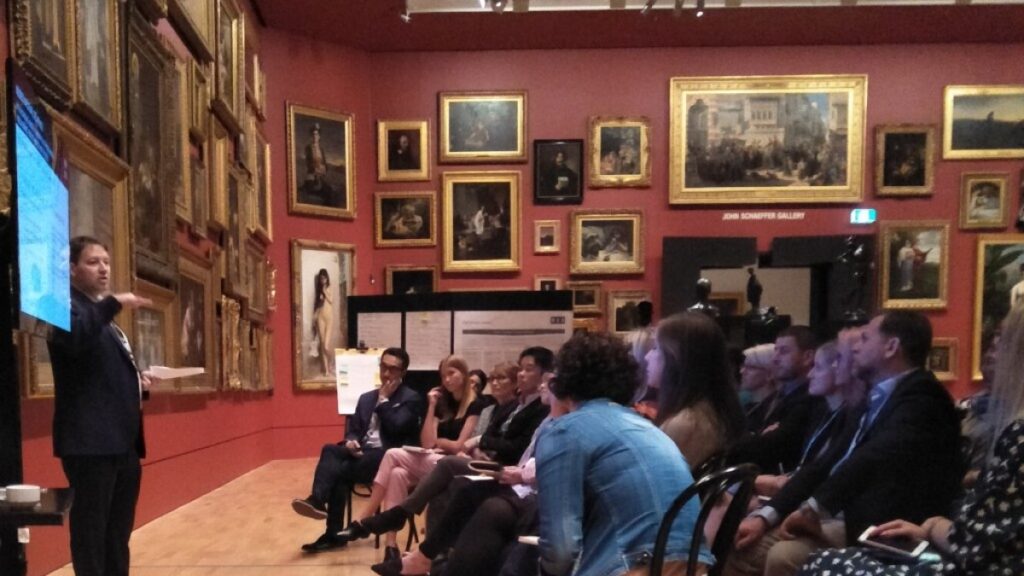
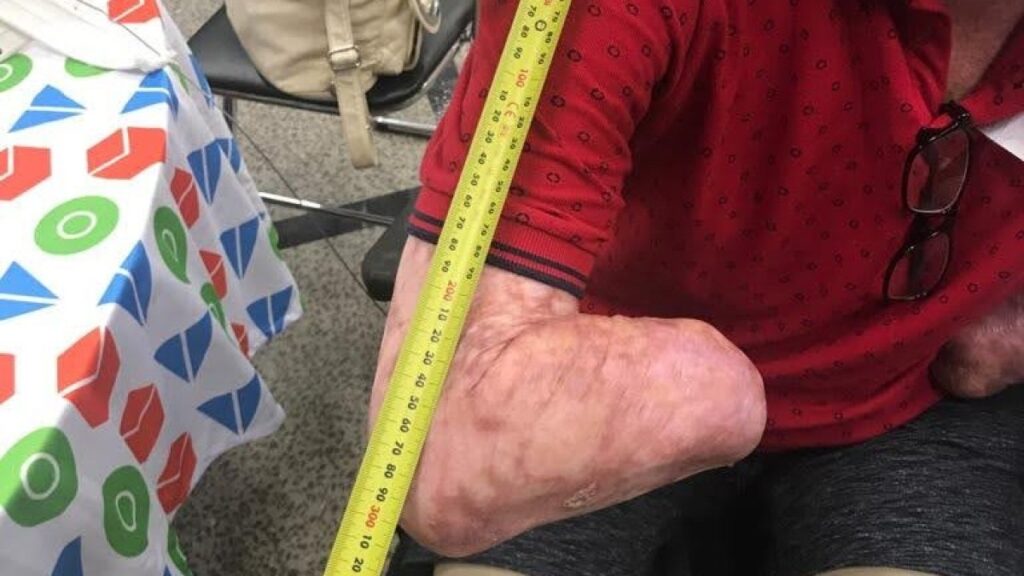
In 2019 at TOM Melbourne, an interdisciplinary volunteer team co-designed a compact tool with a quadruple amputee to retrieve dropped keys at home. The makeathon showed community convening can deliver fit‑to‑need quickly but exposed missing capital, assurance, and evidence infrastructure needed to transition from prototypes to safe, maintainable, and distributable devices.
2. Observations
Capital: Bespoke assistive solutions face small, heterogeneous markets and thin margins, limiting investment in durability, testing, and support. Community labour substitutes for capital at prototype stage, yet ongoing iteration, micro‑batch production, and maintenance lack predictable funding. We are testing the assumption that no routine subsidy exists post‑makeathon.
Measurement: Usability and safety evidence for one‑off devices is rarely captured comparably, constraining clinician confidence and payer support. Without minimal, standardised protocols (functional reliability, home safety, user burden), learnings do not travel, replication risks regressions, and liability concerns deter formal referral.
Governance: Pathways from hackathon prototypes to compliant home‑use devices are unclear. Responsibilities for quality assurance, documentation, and redress are fragmented across makers, clinicians, and standards bodies. Absent stewardship and a recognised low‑risk class, designs remain “good enough for one”, limiting referral, procurement, and aftercare.
Scalability: Highly tailored needs constrain reuse. Documentation gaps (bill of materials, assembly, failure modes) and fragile supply chains impede replication and repair. Some devices are generic and retail‑viable (for example, a one‑handed chopping board) but face bottlenecks: certification/labelling, packaging/SKU data, channel margins, liability cover, and working capital.
3. Research Considerations
The case reveals two complementary scale paths—clinical/referral for higher‑risk devices and consumer retail for simple tools—both constrained by missing assurance, evidence, and lifecycle finance.
- Which body should steward a low‑risk assurance framework and shared QA mark across jurisdictions?
- How should build, repair, and recertification be funded (vouchers, pooled funds, retail cross‑subsidy)?
- What modular design and documentation conventions best balance personal fit with reuse and maintainability?